
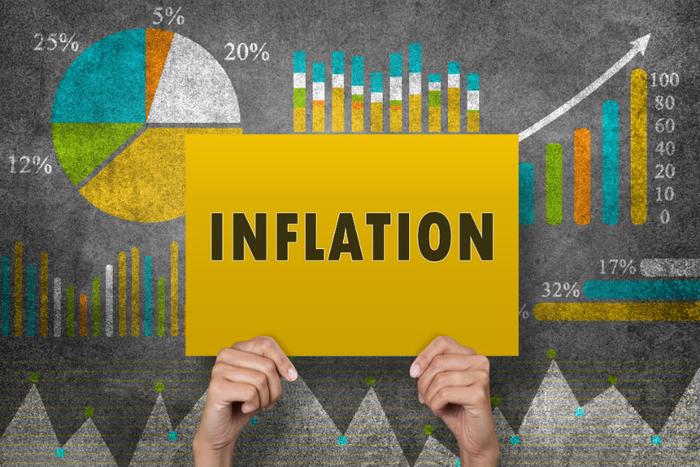
Consumer price inflation in Nepal surged to 6.37 percent in mid-October of the current fiscal year, more than four times the 1.47 percent recorded during the same period of the previous fiscal year.

According to the Current Macroeconomic and Financial Situation Report released by Nepal Rastra Bank (NRB), the sharp rise in inflation was largely driven by increasing prices of food and beverages.
Food and beverage inflation reached 8.04 percent, while non-food and services inflation stood at 5.46 percent. During the corresponding period last year, food and beverage prices had declined by 2.54 percent, while non-food and services prices increased by 3.80 percent.
The average inflation rate during the first three months of the current fiscal year stood at 6.22 percent, compared to 1.67 percent in the same period last year.
Among food and beverage items, prices of ghee and oil increased by 16.44 percent, fruits by 15.46 percent, sugar and sugar products by 11.84 percent, meat and fish by 8.91 percent, spices by 7.71 percent and vegetables by 7.28 percent.
Similarly, under the non-food and services category, transportation prices increased by 12.97 percent, alcoholic beverages by 8.83 percent, clothes and footwear by 7.06 percent, furnishing and household equipment by 6.01 percent, and tobacco products by 5.45 percent.
Regionally, inflation stood at 6.63 percent in rural areas and 6.28 percent in urban areas. Among provinces, Madhesh recorded the highest inflation at 7.37 percent, while Sudurpashchim had the lowest at 5.13 percent.
By geographical region, inflation was highest in the Terai at 6.88 percent, followed by the hills at 6.14 percent, Kathmandu Valley at 5.92 percent and the mountain region at 5.57 percent.