




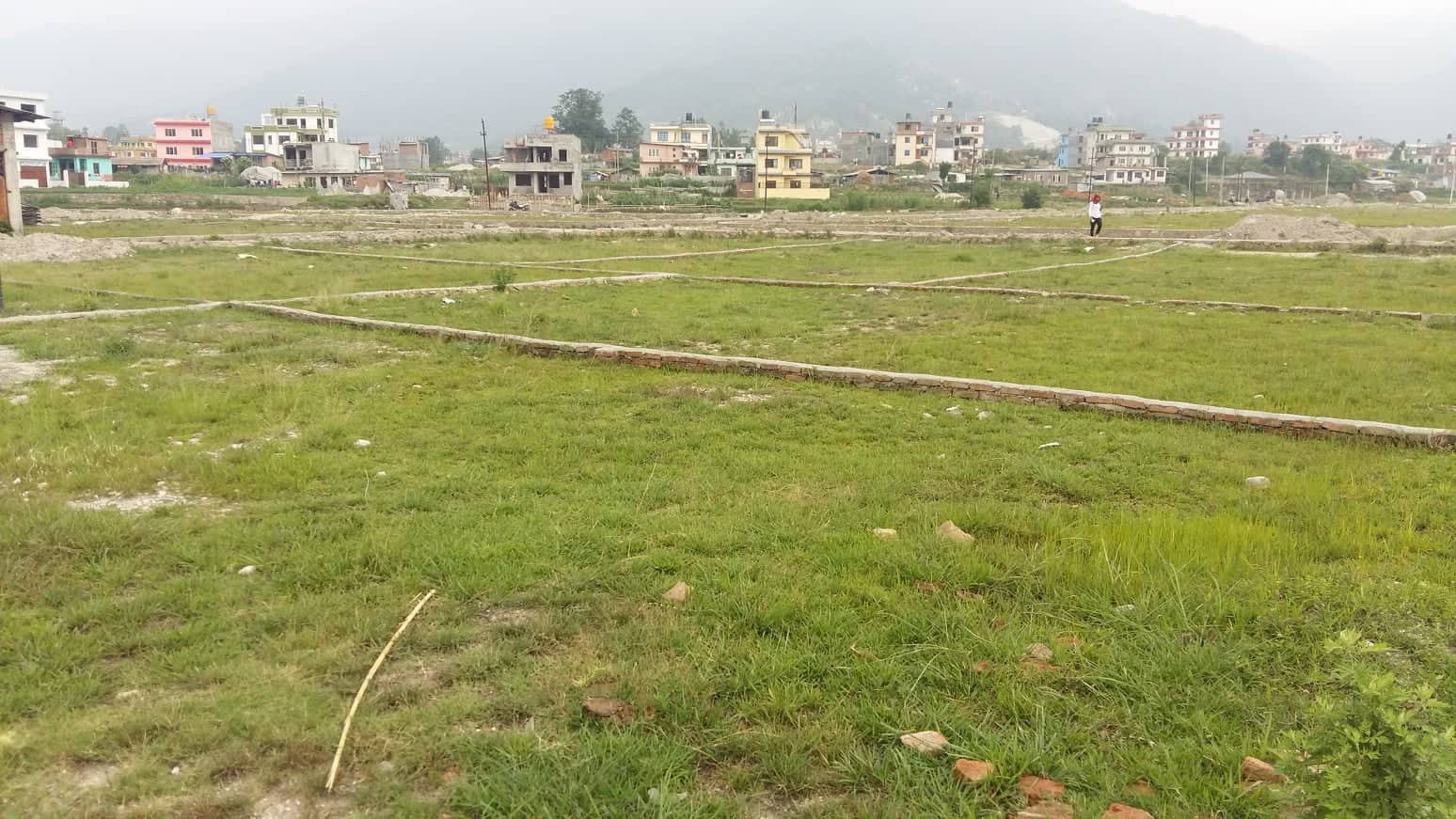
Owning a home in Nepal is becoming increasingly unattainable, with new data revealing that an average Nepali now requires the equivalent of 36 years of income to purchase fixed property—one of the highest affordability gaps globally.
According to Numbeo, a global crowdsourced platform that tracks living costs and quality of life, Nepal ranks third worldwide in the property price-to-income ratio for mid-2025. The ratio has climbed to 36.32, up from 33.28 last year, when the country was placed sixth. Nepal’s purchasing power index also remains low at 27.32, indicating limited financial capacity among consumers.
Numbeo’s Property Prices Index shows that the average price of an urban home has reached around Rs 20 million, with semi-urban and rural properties averaging about Rs 15 million. Mortgage borrowers face an average annual interest rate of 11.21 percent.
In Kathmandu, the situation is even more severe: an individual would need 29.42 times their annual income to afford property in the Valley, where a one-bedroom apartment in the city center rents for roughly Rs 24,000 per month.
Experts say the surge in property prices is driven not by productivity growth but by the absence of strong investment opportunities in other sectors. As a result, households increasingly channel their savings into land and housing. Easy access to bank credit and expectations of quick returns have further accelerated real estate activity, leading to rapid land fragmentation into smaller, more marketable plots.
Government policies have also influenced the market. Revenue from land registration and capital gains taxes remains a key source of income for the state, while weak regulatory oversight has enabled speculative practices to thrive.
Although Nepal Rastra Bank has tightened lending regulations and the government has imposed stricter rules on land fragmentation and licensing, prices have not dropped in any meaningful way. The sector is also under scrutiny for allegedly being used to park illicit money, prompting authorities to require both buyers and sellers to submit bank statements during property transactions.
Despite these challenges, Bishnu Prasad Ghimire, president of the Nepal Land and Housing Developers Federation, argues that the market is cooling. “Price pressure in the Kathmandu Valley has eased to some extent,” he told the media.
Still, for most Nepalis, the prospect of owning a home remains distant—shaped by soaring prices, financial constraints, tightening regulations, and an economy where real estate continues to overshadow other investment options.



