
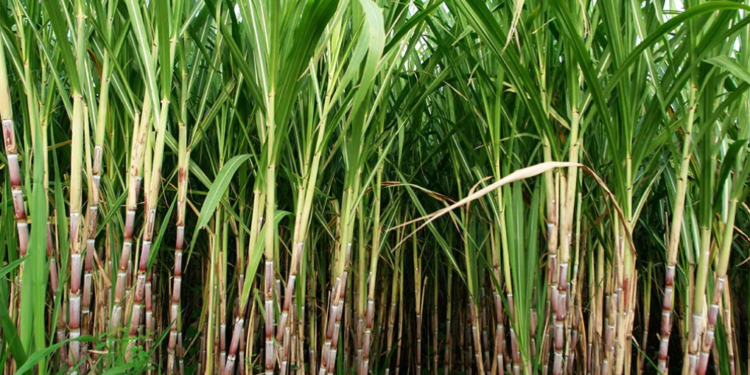
The government has claimed that around 92 percent of the long-pending payments owed to sugarcane farmers have been settled during the current fiscal year, marking progress in resolving one of Nepal’s most persistent agricultural payment disputes.
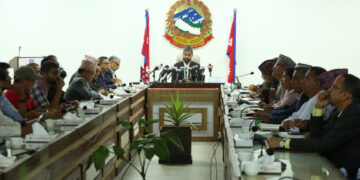
Speaking at a press conference highlighting the government’s achievements during its first 100 days in office, government spokesperson Sasmit Pokharel said that Rs 13.76 billion in outstanding payments owed by 13 sugar mills to approximately 68,000 sugarcane farmers has largely been cleared.
According to Pokharel, the government has put in place mechanisms to ensure that the remaining unpaid amount is settled before the end of the current fiscal year.
The government has also released around Rs 1.52 billion in sugarcane subsidies promised to farmers. Under the existing support programme, farmers receive a subsidy of Rs 70 per quintal of sugarcane. Pokharel said the subsidy amount has already been transferred to the concerned agencies and is currently being deposited into farmers’ bank accounts.
The government’s 100-day progress report states that arrangements have also been made to release payments that had been withheld due to technical issues, including incorrect bank account details and mismatched Permanent Account Number (PAN) information.
Beyond payment settlements, the report outlines several initiatives aimed at strengthening Nepal’s agricultural sector. The government has allocated funding to operate the Agricultural Market Information System and moisture testing centres, while also accelerating the distribution of soil health cards and expanding soil testing services to farmers.
To improve farmers’ access to finance, the government has revised the risk-sharing arrangement for agricultural loans. The risk coverage on loans of up to Rs 30 million has been reduced from 75 percent to 60 percent, a move intended to encourage greater investment in agriculture.
The government is also continuing work on developing a nationwide electronic database of farmers. Of the 2.56 million farmers registered so far, approximately 750,000 have already been verified.
Pokharel added that relief assistance is being provided to affected farming families while studies are underway to develop long-term measures to reduce human-wildlife conflict, an issue that continues to affect agricultural production in several parts of the country.