
The Asian Development Bank (ADB) has upgraded Nepal’s economic growth forecast for Fiscal Year 2026/27 to 3.9 percent, citing stronger-than-expected performance in the hydropower sector and increased electricity generation.
The revised projection was published in the latest edition of the Asian Development Outlook 2026, released in July. The new estimate marks a significant upward revision from the 2.7 percent growth forecast issued by the ADB in April, representing an increase of 1.2 percentage points.
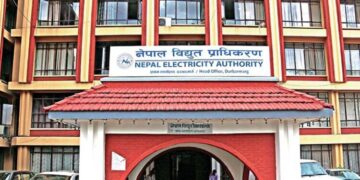
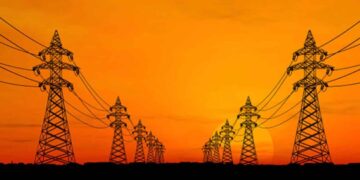
According to the multilateral development bank, the improved outlook is primarily driven by rising hydropower production, which is expected to support industrial activity, boost electricity exports, and contribute to overall economic expansion.
The updated forecast comes despite continued global uncertainty stemming from geopolitical tensions in the Middle East and disruptions in international energy markets, which continue to pose risks to South Asian economies.
Inflation Expected to Moderate
ADB has also revised its inflation outlook, projecting consumer price inflation to ease to 3.2 percent in FY2026/27, compared to its earlier estimate of 3.7 percent. Lower inflation is expected to support household purchasing power and improve overall macroeconomic stability.
Growth Outlook Weakens for 2027/28
While the short-term outlook has improved, ADB has expressed caution regarding Nepal’s medium-term economic prospects.
The bank has lowered its economic growth forecast for FY2027/28 from 5.0 percent to 4.5 percent, warning that external and domestic challenges could slow economic momentum.
According to the report, continued geopolitical instability—particularly the ongoing conflict in the Middle East—could adversely affect Nepal’s tourism industry and reduce overseas employment opportunities for Nepali migrant workers, two sectors that play a crucial role in the country’s economy.
ADB also projects that inflation will rise to 5.0 percent in FY2027/28, driven by higher global fuel prices, stronger domestic demand, and increasing consumption.
Hydropower Remains Key Growth Driver
The report highlights Nepal’s expanding hydropower sector as the principal engine of economic growth, noting that increased electricity production and exports have significantly improved the country’s economic outlook. Continued investment in energy infrastructure is expected to support industrial development, reduce energy shortages, and generate additional export earnings.
However, ADB cautioned that sustaining higher economic growth will require broader structural reforms, stronger private sector investment, improved productivity, and resilience against external shocks, particularly those affecting remittance inflows, tourism, and global energy prices.