
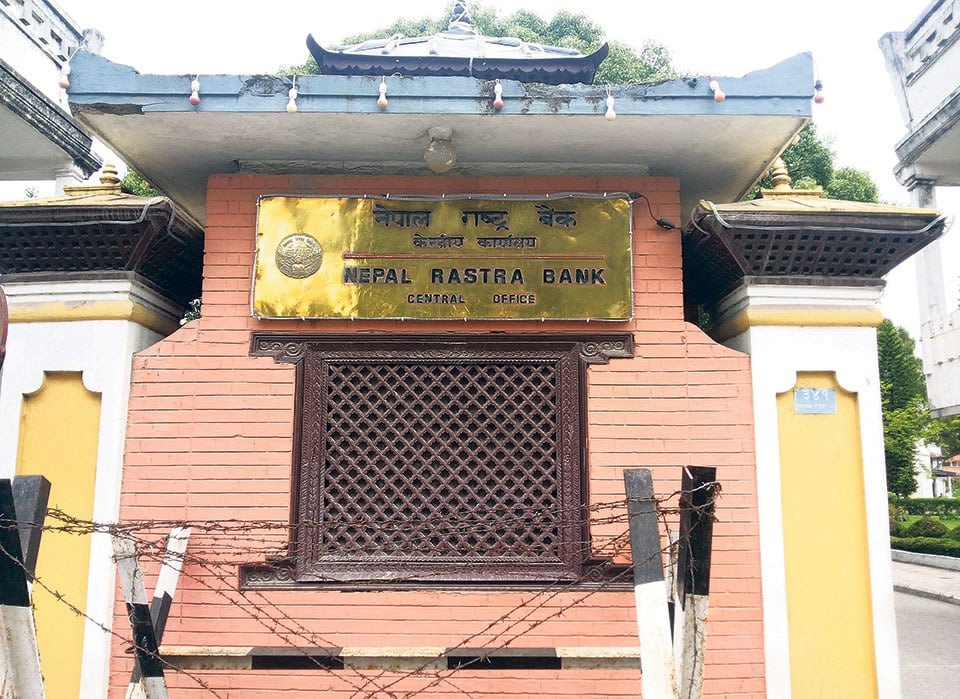
The Nepal Rastra Bank (NRB) has directed banks and financial institutions (BFIs) to prepare and implement a comprehensive action plan to reduce the growing number of dormant bank accounts by mid-January 2027, as part of efforts to improve customer service, strengthen digital banking, and enhance financial system integrity.
The directive was issued through the revised Unified Directive published on Friday by the central bank’s Department of Bank and Financial Institutions Regulation. The new provisions apply to Class ‘A’ commercial banks, Class ‘B’ development banks, and Class ‘C’ finance companies.
Six-Month Notice Before Accounts Become Dormant
Under the revised rules, banks must proactively communicate with customers before classifying active accounts as dormant.
Financial institutions are now required to notify account holders through phone calls, SMS messages, and email, providing at least six months’ notice and an opportunity to reactivate their accounts. Banks must also maintain proper records of all communications sent to customers.
Easier Account Closure Nationwide
To improve customer convenience, the NRB has instructed BFIs to simplify account closure procedures.
Customers will now be able to close their bank accounts from any branch of the concerned financial institution across the country instead of visiting the branch where the account was originally opened. The central bank has also directed banks to facilitate account closure through mobile banking and internet banking platforms, wherever applicable.
Digital Transfer of Remaining Balance
The revised directive also allows customers closing their accounts to transfer any remaining balance directly to an account maintained at another bank or financial institution.
Such transfers can be requested either by visiting a branch or through digital banking channels, reducing paperwork and making the process more efficient.
Dormant Accounts Can Be Reactivated Anywhere
The NRB has further instructed BFIs to allow customers to reactivate dormant accounts from any branch nationwide, provided the account holder’s identity is properly verified.
The measure is expected to improve banking accessibility, particularly for customers who have relocated or are unable to visit their original branch.
Stronger Monitoring Against Financial Crimes
While easing customer services, the central bank has also emphasized the need for stronger risk management.
Banks have been instructed to closely monitor transactions carried out through reactivated dormant accounts to detect and prevent money laundering, fraud, terrorist financing, and other suspicious financial activities.
Strengthening Customer Protection and Digital Banking
According to the NRB, the revised provisions are intended to reduce the increasing number of inactive accounts, improve customer protection, promote wider use of digital banking services, and strengthen the transparency and integrity of Nepal’s banking system.
The new measures form part of the central bank’s broader efforts to modernize banking services while ensuring compliance with international standards on financial transparency and anti-money laundering.