
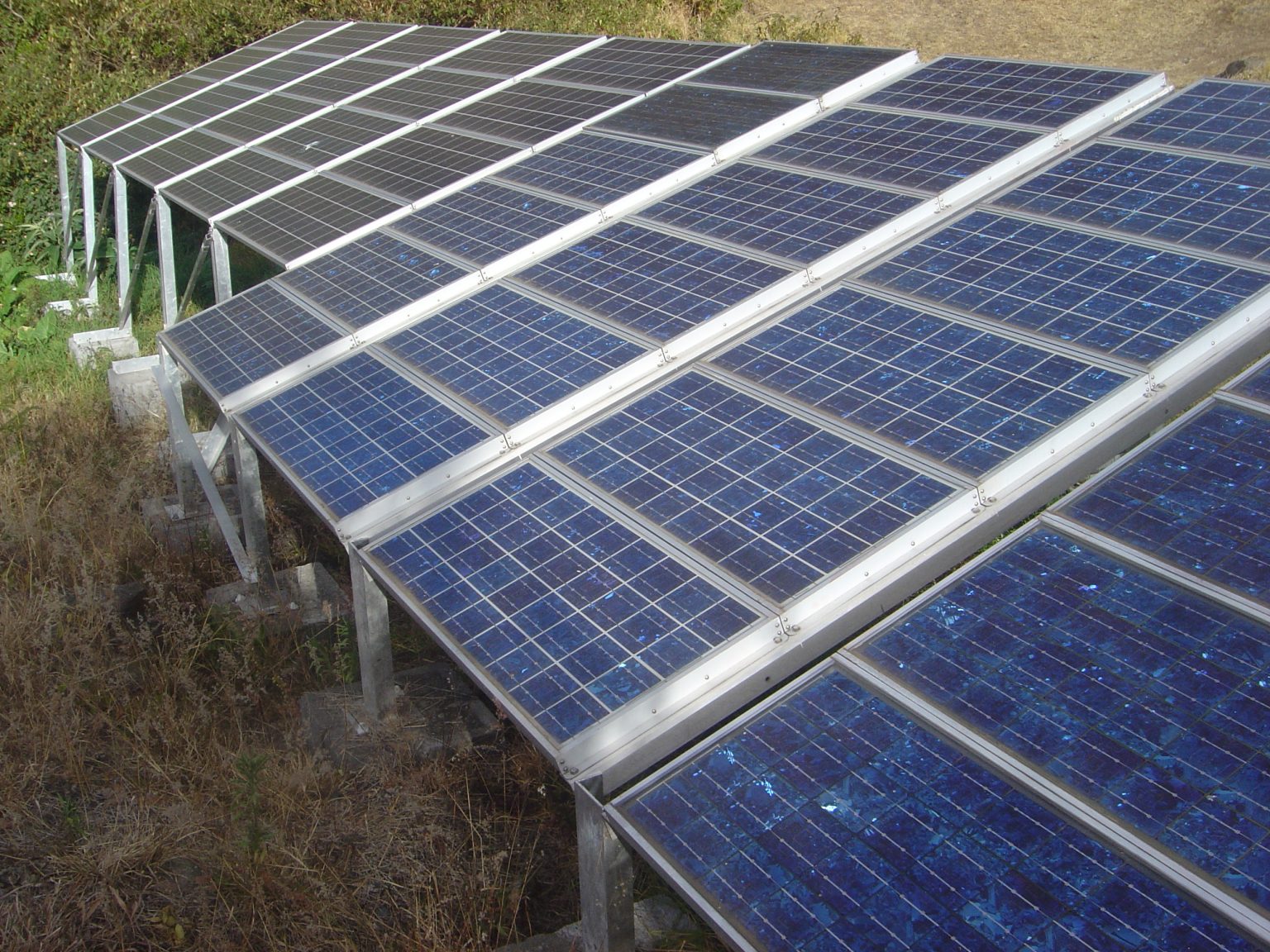
Nepal has unveiled an ambitious plan to attract more than Rs 558 billion in investment to expand solar power generation over the next 15 years, aiming to diversify its energy mix and strengthen electricity supply security.

The proposed National Solar Energy Roadmap targets the development of 9,801 megawatts (MW) of solar power capacity by 2040. The plan aims to make solar energy a major complement to Nepal’s predominantly hydropower-based electricity system.
The roadmap was presented at a national stakeholder workshop jointly organized by the Ministry of Energy, Water Resources and Irrigation and the International Solar Alliance on Thursday. Fichtner Consulting Engineers presented the study findings.
According to the roadmap, Nepal aims to install 4,026 MW of solar capacity by 2030, 7,801 MW by 2035 and 9,801 MW by 2040. The final target includes grid-connected systems, solar projects with storage facilities and decentralized installations.
The total investment requirement is estimated at USD 3.77 billion, equivalent to around Rs 558 billion. Independent power producers are expected to contribute 60 percent, public-private partnerships and Renewable Energy Service Company models 28 percent, and the government the remaining 12 percent.
The study has recommended mobilizing green bonds, climate finance, viability gap funding and payment guarantee funds to attract investment.
Solar electricity generation costs are estimated at Rs 5.69 to Rs 7.19 per unit, compared with the existing regulatory ceiling of Rs 5.94 per unit.
Speaking at the workshop, Ministry Joint Secretary Sunil Poudel emphasized that solar energy could help address seasonal electricity shortages, particularly during the dry season when hydropower generation declines.
Nepal currently has an installed electricity generation capacity of around 4,120 MW, with approximately 95 percent coming from hydropower and only 3.8 percent from solar energy.
The proposed roadmap also emphasizes improvements in grid infrastructure, financing, project implementation, supply chains and technical skills to support the expansion of solar power.