

Construction entrepreneurs, frustrated by prolonged delays in government payments, have announced a national-level gathering on January 11 to plan decisive protest actions.

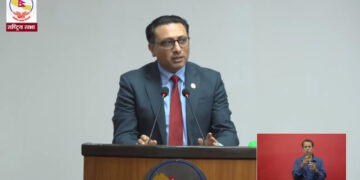
The Federation of Contractors’ Associations of Nepal (FCAN) stated that the meeting would bring together contractors from across the country to finalize protest strategies. “The government’s indifference to resolving this issue leaves us with no choice but to launch protests to exert pressure,” FCAN President Rabi Singh said during a press conference on Thursday.
Contractors report that the government has only paid Rs 15 billion out of a total outstanding Rs 45 billion. Despite repeated demands for settlement, the government has failed to fulfill its promises. It had previously assured contractors of payment by mid-October, and Finance Minister Bishnu Paudel reiterated that dues would be cleared by the first week of December.
Singh noted that delayed payments have severely hampered the progress of infrastructure projects. He urged the government to establish a high-level commission, including FCAN representatives, to address the challenges in the construction sector.
Roshan Dahal, FCAN’s general secretary, emphasized the need for the government to secure funding sources before calling for project tenders. “Announcing tenders without ensuring financing will only worsen the situation,” he warned. Contractors also highlighted the risk of blacklisting due to their inability to repay bank loans after the extended repayment deadline expired on December 16. Although Nepal Rastra Bank extended the repayment deadline through its monetary policy for the current fiscal year, the contractors criticized its first review for ignoring their pressing concerns. “We need lasting solutions, not token measures,” Dahal said.
The contractors further demanded the cancellation of contracts for projects without secured funding and expressed concerns over rising material costs. They noted that the price of cement has increased by over Rs 200 per sack, and iron rods have risen by approximately Rs 15 per kilogram, adding to their financial burdens.