
The government has intensified preparations to reduce electricity tariffs through a proposed ‘seasonal tariff’ system, under which electricity prices would be lowered during the rainy season when surplus power generation is high. The initiative is aimed at increasing domestic and industrial electricity consumption and reducing the wastage of excess electricity.

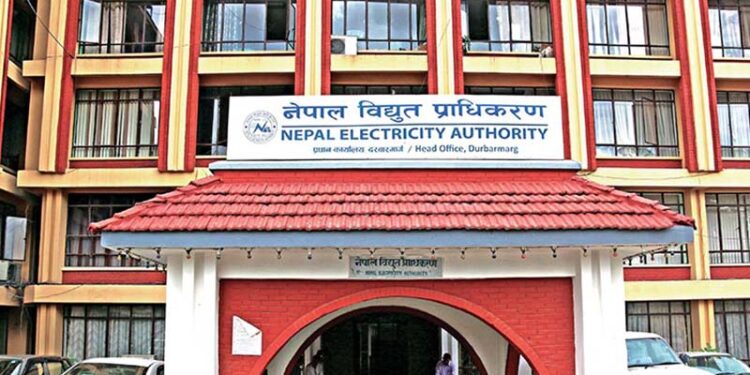
The Nepal Electricity Authority (NEA) formed a committee on July 29 to review existing electricity tariffs following a proposal from Energy, Water Resources and Irrigation Minister Biraj Bhakta Shrestha. The committee is coordinated by NEA Board member Anshu Kiran Shahi and includes representatives from the Ministry of Energy, the Federation of Nepalese Chambers of Commerce and Industry, energy experts, and consumer and financial experts.
The committee is examining ways to provide electricity to households and industries at subsidized rates during the monsoon, when electricity production rises significantly and surplus power may otherwise go unused.
Committee coordinator Shahi said the NEA has been losing billions of rupees each month due to the wastage of surplus electricity during the rainy season. He said lowering tariffs during this period could encourage greater electricity consumption and help reduce such losses.
The committee is also considering special concessions for industries, with discussions underway on how much electricity tariffs could be reduced during the monsoon season to encourage industrial consumption and production.
The proposed seasonal tariff comes amid growing debate over electricity pricing and criticism of higher electricity-related taxes. The Ministry of Energy has therefore initiated the review with the objective of balancing consumer interests, industrial demand and the NEA’s financial sustainability.
If implemented, the seasonal tariff system could encourage households and industries to shift more energy-intensive activities to periods of surplus generation, while helping Nepal make better use of its growing hydropower capacity.