The government has pledged to treat the private sector as a key partner in Nepal’s economic development, promising to create a more predictable investment environment and protect legitimate investments, assets and profits.

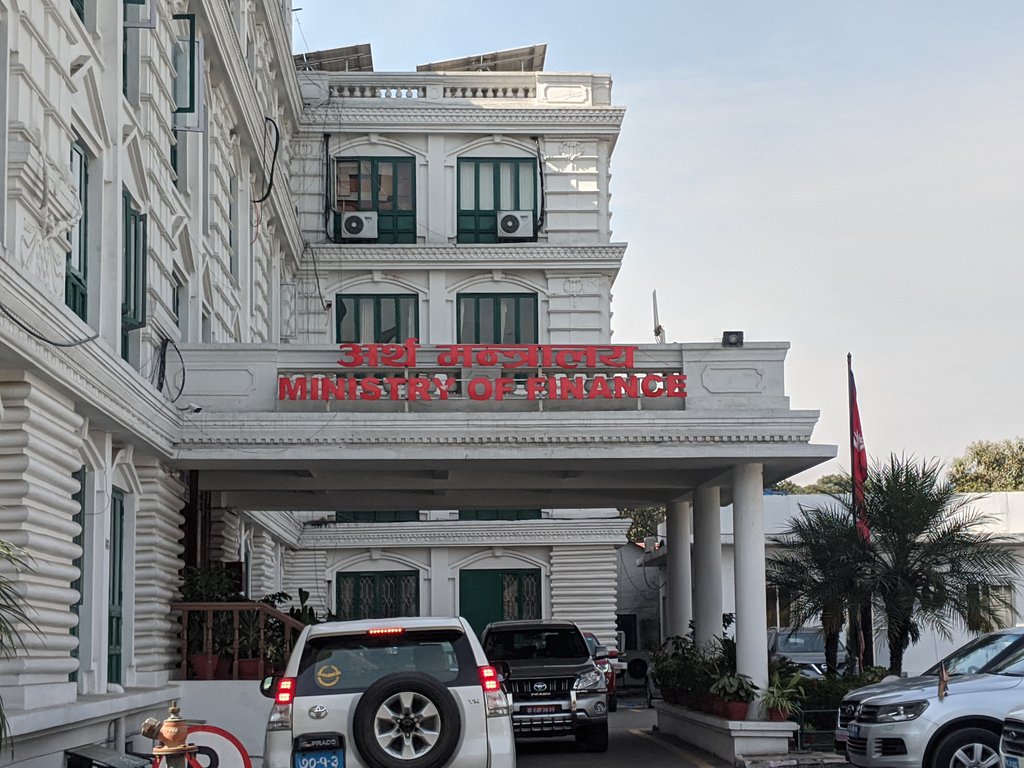
Finance Minister Swarnim Wagle made the commitment during a meeting with representatives of Nepal’s 20 highest tax-paying multinational companies on Monday. The government said its economic priority would go beyond tax collection and focus on strengthening the cycle of production, investment, profit and reinvestment.
According to the government, economic transformation requires joint efforts by the public and private sectors. Businesses that invest, expand production, create jobs and enter new markets ultimately contribute to higher government revenue and broader economic growth.
The government urged private companies to increase domestic investment, expand existing industries, explore new areas of production, adopt modern technologies and create employment opportunities.
Minister Wagle said protecting legally made investments, assets and profits is a fundamental responsibility of the government. He also emphasized the need for stable policies, predictable taxation and a business environment in which investors can operate with confidence.
The meeting also focused on obstacles affecting business expansion, including tax administration, regulatory procedures, land, energy, labour, infrastructure, financing, exports and legal provisions. The government said it would identify key decisions requiring action within the next six months and incorporate them into its implementation agenda.
The Ministry of Finance will monitor progress through a proposed “response desk”, with issues raised by businesses coordinated with relevant government agencies within specified timeframes.
Wagle said the government would maintain dialogue with the private sector until identified problems are resolved, rather than treating consultations as one-time exercises.
Representatives of major companies also raised concerns over business security, taxation and regulatory uncertainty. Dilli Ram Shrestha, Chief Corporate and Regulatory Officer of Ncell, called for a predictable tax system, reforms to labour-related laws and an end to differentiated fees for business licence renewals. He also raised concerns about the security of businesspeople following the arrest of entrepreneurs.
Wagle reiterated that the government’s responsibility is to protect legitimate businesses while creating conditions for investment and reinvestment. He said businesses should be recognised not only as taxpayers but also as major employers, investors and contributors to national development.
The 20 companies represented at the meeting included Surya Nepal, Ncell, Aarti Strips, Gorkha Brewery, Himalaya Airlines, Hongshi Shivam Cement, Doosan Energy, Dabur Nepal, Bottlers Nepal (Terai), Unilever Nepal and Asian Paints Nepal, among others.
The government has set an ambitious goal of making the coming decade a period of increased investment, production and employment, with greater emphasis on building a business-friendly, investment-friendly and production-oriented economy.