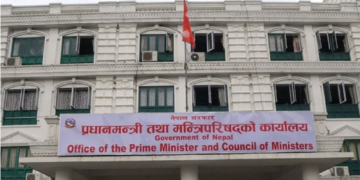


The administration led by Balen Shah has come under scrutiny after approving foreign loans worth $185 million (around Rs 27.5 billion) from major international lenders.
During a cabinet meeting on Sunday, the government endorsed a proposal to secure funding under the Digital Nepal Transformation Project. The initiative includes $50 million from the World Bank and $40 million from the Asian Development Bank—a combined $90 million—to upgrade digital infrastructure and enhance technology-driven public services. Additionally, the cabinet approved $95 million in concessional loans from the World Bank for the Sustainable and Inclusive Development Project.
Despite the intended benefits, the decision has sparked criticism as Nepal’s public debt continues to climb. Data from the Public Debt Management Office shows total public debt reached Rs 2.878 trillion by mid-March, accounting for 47.13 percent of the country’s GDP. Critics argue that increasing reliance on borrowing—even for routine expenses—raises concerns about fiscal sustainability.
Addressing the House of Representatives, Khusbu Oli questioned the transparency of the government’s debt decisions and called for parliamentary oversight before approving large-scale loans.
“Although these are concessional loans, on what basis has the government accepted them when the relevant parliamentary committees have not yet been formed?” she asked.
Echoing similar concerns, former Finance Minister Barshaman Pun criticized the move, noting the government’s earlier stance against excessive borrowing.
“The current leadership once blamed previous governments for rising debt. How can it now reverse its own commitment?” Pun remarked.
While the government maintains that such loans are necessary to strengthen digital systems and improve service delivery at the grassroots level, skepticism remains. An IT expert associated with a government team warned that inadequate preparation and unclear implementation plans could hinder effective use of funds from the World Bank and ADB.
“Despite the appeal of these initiatives, the government lacks clarity on execution. It is still uncertain how and where to begin,” the expert said, raising concerns over proper utilization of the loan amounts.