The government has introduced the Commercial Policy Implementation Action Plan 2081, aiming to transform Nepal into a more export-oriented economy by strengthening trade infrastructure, promoting digital commerce, and enhancing the competitiveness of domestic products.
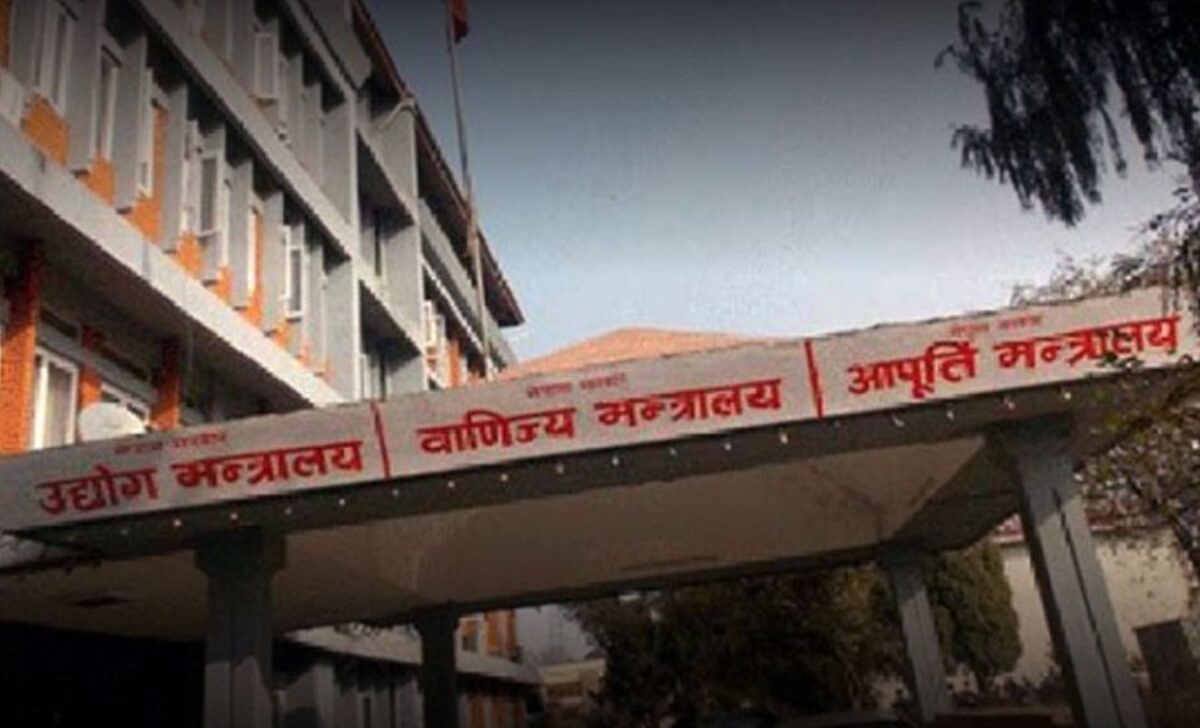
According to the Ministry of Industry, Commerce and Supplies (MoICS), the action plan seeks to bring structural changes to Nepal’s trading system and address the country’s widening trade deficit.
Border Infrastructure and Quality Testing Facilities
Under the plan, the government will establish and upgrade warehouses, cold storage facilities, and high-tech quality testing laboratories at major border points to facilitate exports and improve product standards.
The policy also emphasizes obtaining international certifications for agricultural and herbal products. Institutions such as the Nepal Bureau of Standards and Metrology and the Department of Food Technology and Quality Control will be strengthened, while the network of internationally recognized laboratories will be expanded to enhance the credibility of Nepali products in overseas markets.
Focus on E-Commerce and Digital Exports
Recognizing the increasing importance of digital trade, the government has prioritized e-commerce and information technology-based exports. In coordination with the Digital Nepal Framework, the plan calls for legal and policy reforms to support online business.
Key measures include:
- Effective implementation of the E-Commerce Act.
- Wider adoption of digital signatures.
- Removal of barriers in international payment systems.
- Development of a secure and reliable digital business environment.
Officials believe these initiatives will enable Nepali software, handicrafts, and service-sector products to access international markets more directly.
Promotion of Domestic Products
The government plans to intensify campaigns such as “Make in Nepal” and “Made in Nepal” to protect and promote indigenous products.
In addition, public institutions will be required to use at least 20 percent domestically produced goods. To strengthen branding and marketing, exhibition centers and Koseli Houses will be established across all seven provinces.
Trade Protection and Green Industries
The action plan includes measures to protect domestic industries through the effective enforcement of anti-dumping and countervailing laws. It also calls for stronger protection of intellectual property rights.
In response to climate challenges, the government has emphasized the promotion of green businesses and low-carbon industries, aiming to make economic growth more sustainable.
Roles of Federal, Provincial, and Local Governments
The responsibilities of the three levels of government have been clearly outlined:
- Federal Government: Policy formulation and international trade agreements.
- Provincial Governments: Development of trade-related infrastructure.
- Local Governments: Data collection and promotion of local products.
Monitoring and Evaluation
To ensure effective implementation, the Ministry of Industry, Commerce and Supplies has established a high-level monitoring mechanism for regular evaluation and timely achievement of the plan’s objectives.
Officials expect the action plan to strengthen Nepal’s export capacity, improve product competitiveness, promote digital trade, and contribute to reducing the country’s long-standing trade imbalance.