
Rewritten Text:
With the government introducing a policy to blend 10 percent ethanol into petrol, interest in alternative fuel production is increasing among private investors and non-resident Nepalis. The approval of the “Order on Using Ethanol in Petrol, 2082” has created a legal framework that allows ethanol to be produced domestically and blended with petrol for commercial sale.
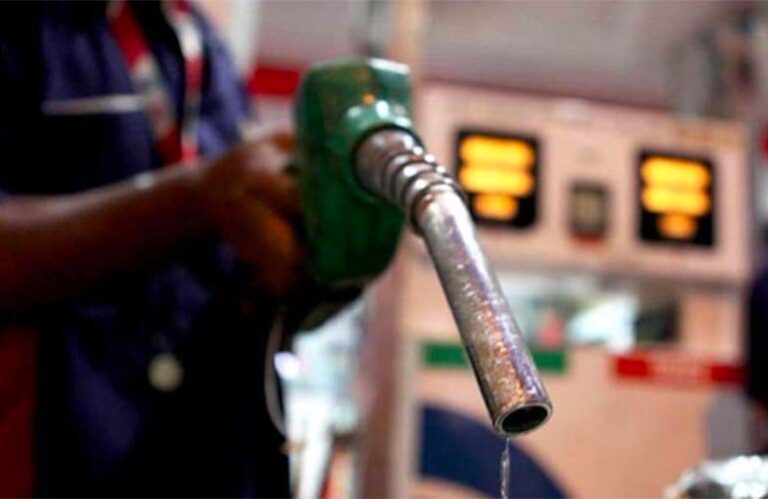
After the cabinet’s approval, the Nepal Oil Corporation (NOC) is preparing to begin the ethanol–petrol blending process. Managing Director Dr. Chandika Prasad Bhatta stated that once operational procedures are finalized, the corporation will establish the necessary infrastructure for ethanol production, procurement, and blending. The initiative aims to reduce petrol imports, conserve foreign currency, and lower engine emissions, making fuel consumption more environmentally friendly.
The policy has also attracted significant investment proposals from the Nepali diaspora. Non-resident Nepalis based in the United States have proposed establishing Kian Chemicals Industries Pvt. Ltd. in Nepal with an estimated investment of around Rs 1.2 billion to produce ethanol domestically. The company plans to build three plants in Parsa, Koshi, and Lumbini provinces, focusing on production, raw material supply chains, and processing capacity. If implemented, the project could create around 2,000 direct jobs while involving nearly 2 million people in raw material production, including cassava cultivation, providing new income opportunities for farmers.
According to studies conducted by NOC, blending 10 percent ethanol with petrol could reduce daily petrol consumption by about 400,000 liters. Nepal currently uses around 2 million liters of petrol per day, totaling approximately 73 million liters annually. Introducing the ethanol blend could reduce petrol imports by about 7.3 million liters each year. Since NOC purchases petrol from Indian Oil Corporation at roughly Rs 85 per liter, this reduction could save more than Rs 600 million in foreign currency annually. Similar projections have also been made by the Ministry of Industry, Commerce, and Supplies.
Ethanol production will rely on agricultural and organic materials such as molasses, napier grass, crop residues, and unusable grains. This approach will increase the use of agricultural outputs while providing farmers with additional income sources. Industrial stakeholders have emphasized the need for government incentives to expand ethanol production, which could support rural economies by utilizing agricultural waste and biomass.
The order clearly states that ethanol must not be produced from grains that are directly used as food, and all ethanol produced must be sold exclusively to NOC. The Nepal Bureau of Standards and Metrology will oversee quality control, while production processes must meet environmental standards. Ethanol pricing will be determined by the cabinet based on recommendations from a committee led by the Ministry of Industry, Commerce, and Supplies.
Although the idea of blending ethanol with petrol was first discussed nearly two decades ago in 2060 BS, the lack of operational procedures and production infrastructure delayed its implementation. With the new policy and legal framework now in place, the government hopes to expand alternative energy sources and agro-based industries, while reducing petrol imports, saving foreign currency, and creating employment opportunities in rural areas.