

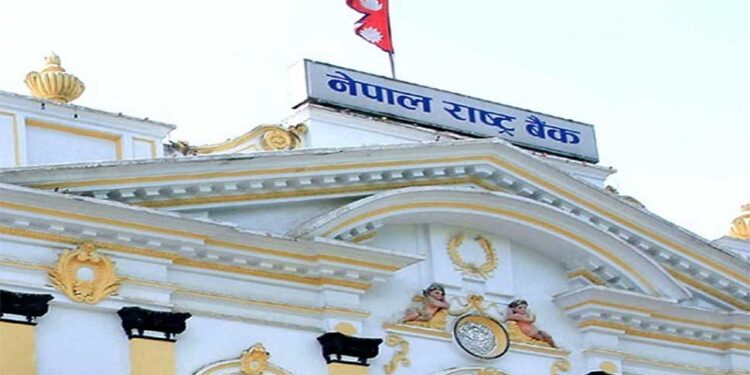
Nepal Rastra Bank (NRB) has identified serious structural and governance-related problems in banks and financial institutions (BFIs), warning that weak oversight, rising non-performing loans, and regulatory evasion practices are undermining financial sector stability.

According to NRB’s Bank Supervision Report, several BFIs have been found manipulating reports submitted to regulators in an attempt to hide their actual financial condition amid the ongoing economic slowdown. The central bank said its inspections up to the last fiscal year revealed that aggressive lending in earlier years, combined with downturns in key economic sectors, has significantly weakened loan quality and put pressure on capital adequacy.
The report highlights instances where some banks issued new loans at the end of reporting quarters to show repayment of older loans, effectively masking underlying default risks. It also notes weak monitoring systems, with insufficient mechanisms to track how borrowed funds are actually used. In some cases, loan proceeds were found to be transferred directly into accounts linked to directors or related parties shortly after disbursement.
Governance issues were identified as a major concern. NRB pointed to excessive concentration of authority in the hands of chief executive officers, which has weakened internal checks and balances. Internal audit systems were also found to be ineffective in many institutions, with risk-based auditing not functioning properly, limited staffing, and a large number of unresolved audit issues persisting over long periods.
The report further flagged liquidity risks in some BFIs due to mismatches between short-term assets and liabilities. It also noted that contingency funding plans have not been properly implemented. In addition, weaknesses in human resource management were observed, including long-term retention of staff in sensitive positions, inadequate training budgets, and poor succession planning.
NRB concluded that strengthening governance, improving risk management, ensuring independent internal audits, closely monitoring loan utilization, and enhancing data transparency are essential to safeguarding the stability of Nepal’s banking sector.