
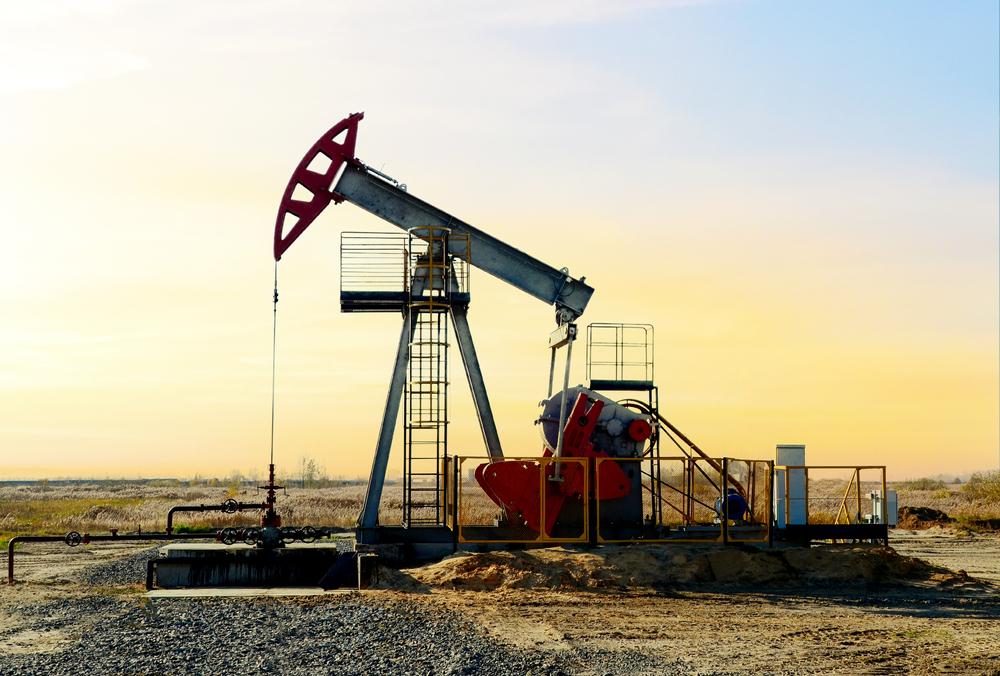
Global oil prices have surged sharply after the intensifying conflict in the Middle East caused a complete disruption in the Strait of Hormuz, one of the world’s most critical oil transit routes.

According to the latest reports, the price of Brent Crude Oil has risen to more than $116 per barrel, marking an increase of over 25 percent in a single day. This is the highest level recorded since 2022.
In Asian trading on Monday, Brent crude climbed by more than 25 percent to approach $116 per barrel. The sharp rise in oil prices has also affected global stock markets. Major indexes such as Japan’s Nikkei 225 and Australia’s S&P/ASX 200 fell between 3 and 5 percent amid growing economic uncertainty.
Analysts warn that if the disruption in the Strait of Hormuz continues until the end of March, oil prices could surge to $150 per barrel, potentially triggering global inflation and increasing the risk of a wider economic crisis.
Meanwhile, the United States and Israel have reportedly carried out continued airstrikes targeting Iranian oil depots, refineries, and related infrastructure. The Israeli military claims these facilities were being used to fuel missile attacks against Israel.
Large fires have been reported at oil storage facilities near Tehran, raising concerns about environmental damage.
Following the reported assassination of Iran’s former supreme leader Ayatollah Ali Khamenei, his son Mojtaba Khamenei has reportedly been appointed as the new supreme leader, a development that analysts say could further intensify the conflict.
Iran has also been accused of launching a drone attack on a desalination plant crucial to drinking water supplies in Bahrain. Bahrain condemned the incident as an attack on civilian infrastructure. Iran, however, claims that U.S. airstrikes have damaged its own desalination facilities.
In Saudi Arabia, Iranian drone and missile strikes have reportedly killed several foreign nationals. Iran has warned that if attacks on its oil depots, refineries, and infrastructure continue, it will target similar facilities across the Gulf region. Iran has also reportedly carried out an attack on the port of Haifa.
U.S. President Donald Trump stated that the rise in oil prices is “a small price to pay” to eliminate what he described as Iran’s nuclear threat.
Amid the growing tensions, the United States has begun evacuating non-essential personnel and their families from eight Gulf countries, including Saudi Arabia.
The Iranian Red Crescent Society has warned that fires at oil depots in Tehran could increase air pollution and raise the risk of acid rain.
Oil shipments through the Strait of Hormuz have nearly come to a halt, severely affecting global supply, as around 20 percent of the world’s oil normally passes through this critical waterway.