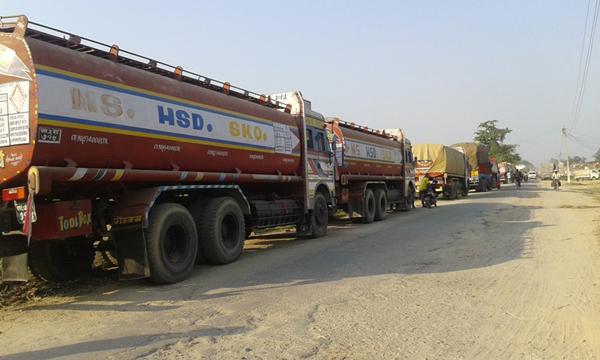
The consumption of petroleum products in Nepal is gradually declining as electricity usage continues to expand across the country, according to the Economic Survey 2082/83.
The survey reports that electricity access has now reached around 99.1 percent of the population nationwide. Electricity consumption is rising rapidly, especially in urban areas, while the growing use of electric cooking appliances has contributed to a gradual decline in the use of liquefied petroleum gas (LPG) for cooking.
According to the report, petrol consumption decreased by 10 percent and diesel consumption by 9.9 percent by the end of Falgun in the current fiscal year compared to the same period last year.
The survey notes that petroleum imports are expected to decline further as electricity consumption continues to increase.
Electricity access has expanded to nearly all parts of the country, except for some rural municipalities in Karnali Province and a few areas in Sudurpaschim Province. However, the government still faces challenges in ensuring reliable and high-quality electricity supply.
The government has set a target of achieving 100 percent household electricity access within the next few years with support from various stakeholders.
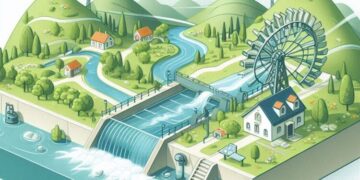
By the end of Falgun, Nepal’s total installed electricity generation capacity had reached 4,105 megawatts, including 3,798 megawatts generated from hydropower projects.
During the current fiscal year, Nepal exported 2,918 gigawatt hours of electricity to India.
The survey further revealed that access to basic drinking water has reached 97 percent of the population, although only 29 percent of people currently have access to safe drinking water.
Similarly, health insurance services have expanded to all local levels across the country. A total of 2.85 million workers are enrolled in the contribution-based social security fund, with migrant workers accounting for 75.9 percent of the total participants.