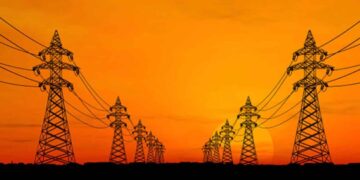


The ruling coalition partners—the Nepali Congress (NC) and the CPN-UML—have agreed to remove both the ‘take and pay’ and ‘take or pay’ provisions from the Power Purchase Agreement (PPA) framework. Going forward, PPAs will be executed based solely on actual electricity demand and consumption, marking a significant policy shift in Nepal’s energy sector.
The decision follows strong opposition to the recently introduced ‘take and pay’ model, which had been incorporated into the budget despite resistance from within the ruling alliance. NC President Sher Bahadur Deuba also urged the government to withdraw the provision, citing concerns about its impact on power producers and the overall energy market.
Previously, Nepal relied on the ‘take or pay’ model, under which the Nepal Electricity Authority (NEA) was obligated to purchase a fixed quantity of electricity from producers, regardless of actual consumption. This model guaranteed returns to producers but was criticized for imposing financial burdens on the government during periods of surplus electricity.
In addition to this reform, the government has committed to further implementing the Energy Development Roadmap (2081), a long-term strategy aimed at achieving energy sustainability and enhancing private sector participation.
Meanwhile, the House of Representatives is preparing to endorse the Appropriation Bill for the fiscal year 2025/26, which was tabled on May 29. The CPN-UML has issued a whip requiring all its lawmakers to attend and vote in favor of the bill, signaling the ruling coalition’s unified stance on budgetary matters, including energy sector reforms.