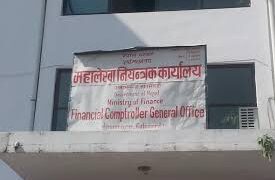
The government has introduced the Foreign Aid Mobilization Policy 2025 to ensure more effective use of foreign assistance, especially through public-private partnership (PPP) models. The policy, which came into effect on Friday, was brought online by the Ministry of Finance (MoF) amidst rising concerns over low returns and inefficiencies in donor-funded projects.
According to the MoF, the new policy reflects the evolving nature of foreign aid and aligns it with Nepal’s federal governance structure. It also aims to tackle persistent challenges such as delayed project implementation, poor coordination among government agencies, and an underperforming reimbursement process from donor agencies.
In recent years, Nepal has witnessed a significant drop in foreign grants while concessional loans—particularly multilateral ones—have surged. Although these loans typically offer low interest rates and extended repayment periods, Nepal faces growing financial burdens due to currency fluctuations and prolonged project completion timelines. Many development projects, despite heavy aid backing, suffer from long gestation periods, hampering the realization of returns.
The ministry noted that in several instances, Nepal has entered foreign aid agreements without adequate project preparation. Delays in contract awards, flawed procurement processes, and insufficient monitoring of reimbursements have led to a serious underutilization of foreign aid. In the fiscal year 2023/24, spending of grants and loans remained below 15 percent. However, foreign aid commitments in the first eight months of the current fiscal year surged to Rs 221.99 billion—more than double the amount pledged in the same period last year.
Nepal has relied on foreign aid since the 1950s in the form of loans, grants, and technical and humanitarian assistance. But despite the significant inflow, challenges like political instability, bureaucratic red tape, and corruption continue to undermine the impact of such support.
The newly revised policy aims to address these issues by introducing a viability gap funding mechanism under the PPP model. This approach is expected to reduce financial risks and foster more active private sector participation, especially important as Nepal is set to transition to a developing country status by 2026.
The new framework replaces the 2020 foreign aid mobilization policy and is designed to be more responsive to both the current global financial climate and Nepal’s need to improve aid efficiency at all tiers of government. Experts believe it will complement recent legislative developments on financial responsibility and climate change response.