
Kathmandu: The government has accelerated policy reforms and infrastructure upgrades aimed at significantly increasing domestic electricity consumption, with a strong focus on expanding transmission and distribution networks and promoting greater electrification across the country.

According to Minister for Energy, Water Resources and Irrigation Biraj Bhakta Shrestha, the government’s policy agenda and the budget for the current fiscal year place high priority on strengthening power infrastructure to meet growing electricity demand and support Nepal’s transition toward a cleaner energy-based economy.
Rs 80 Billion Allocated for Power Infrastructure
The government has earmarked Rs 80 billion for the expansion and modernization of electricity infrastructure, including transmission lines, substations and distribution systems.
Minister Shrestha said the investment is intended to build the capacity required to accommodate rising electricity consumption driven by urbanization, industrial expansion and changing household energy needs.
“The lifestyle of people has changed. Industries and businesses are expanding, and the use of electrical appliances is increasing across the country. Electricity demand is growing rapidly,” Shrestha said.
He added that the ministry has instructed the Nepal Electricity Authority (NEA) to modernize aging transmission and distribution infrastructure, replace low-capacity transformers, and adopt advanced technologies to improve the efficiency and reliability of the national power system.
Promoting Electric Cooking and EV Adoption
The government is also prioritizing policies to reduce Nepal’s dependence on imported fossil fuels by encouraging the use of electricity for cooking and transportation.
Efforts are underway to gradually replace liquefied petroleum gas (LPG) with electric cooking appliances while expanding infrastructure to support the growing adoption of electric vehicles (EVs).
Officials believe greater domestic electricity consumption will improve energy security, reduce fuel imports and make better use of Nepal’s expanding hydropower generation.
Transmission Network Expansion Underway
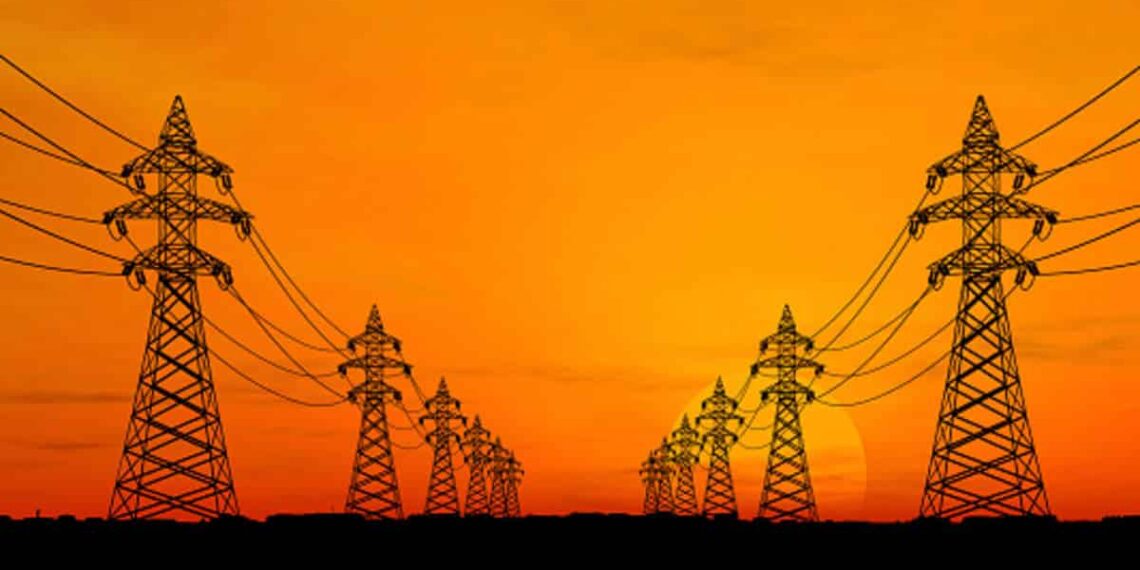
The Nepal Electricity Authority said it is investing its own resources to strengthen the country’s transmission and distribution network.
The utility has launched work on 12 high-priority transmission line projects, all of which are targeted for completion during the current fiscal year.
Upon completion, Nepal’s transmission network operating at 66 kilovolts (kV) and above is expected to expand to 7,848 circuit kilometers by the end of the fiscal year.
Long-Term Consumption Target
Nepal’s annual per capita electricity consumption currently stands at approximately 460 kilowatt-hours (kWh)—well below the global average and significantly lower than many neighboring countries.
The government has set an ambitious target of increasing annual per capita electricity consumption to 1,500 kWh within the next decade, reflecting its broader strategy to electrify households, industries and transportation.
According to the NEA, Nepal’s current peak electricity demand has reached 2,319 megawatts (MW), with power plants operated by the authority, its subsidiaries and private developers currently generating electricity at full capacity.
Officials say continued investment in transmission and distribution infrastructure will be critical to ensuring reliable electricity supply, supporting future hydropower expansion and enabling Nepal to maximize the economic benefits of its growing renewable energy sector.