
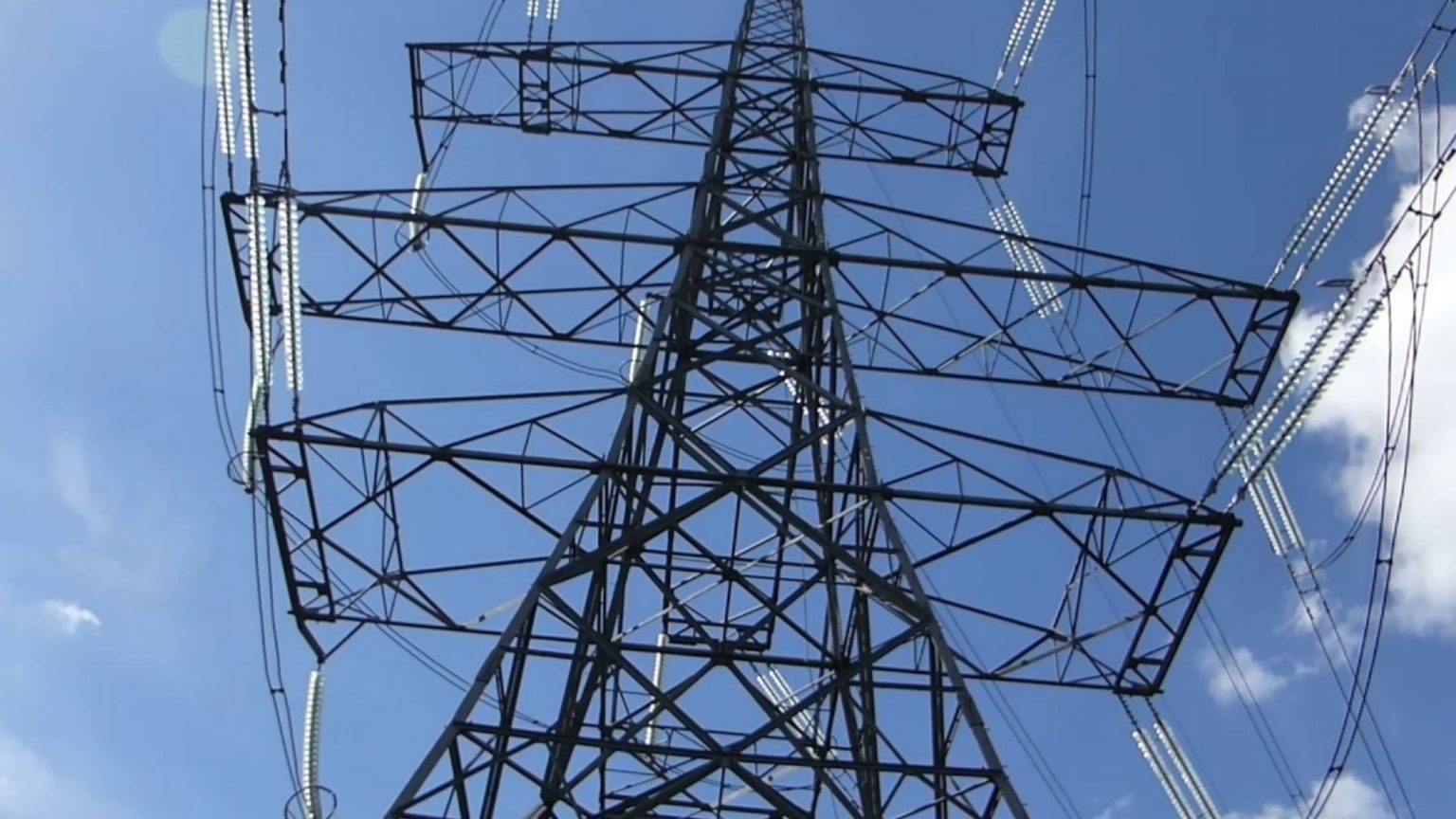
Once dependent on electricity imports from India to meet its domestic demand, Nepal is rapidly transforming into an emerging energy exporter in South Asia. With the onset of the monsoon boosting river flows and hydropower generation, the country has begun exporting hundreds of megawatts of surplus electricity to both India and Bangladesh on a daily basis.

According to the Nepal Electricity Authority (NEA), after meeting domestic demand, Nepal is currently exporting an average of 650 megawatts (MW) of electricity each day. On Thursday alone, the country exported 620 MW to international markets.
The increase in river discharge during the monsoon has significantly enhanced the output of Nepal’s hydropower plants, enabling the country to satisfy domestic consumption while generating surplus electricity for export. The development marks a remarkable turnaround for Nepal, which was grappling with chronic power shortages and load shedding just a few years ago.
At present, Nepal exports electricity to India and Bangladesh under different trading arrangements. While 40 MW is being supplied regularly to Bangladesh under a five-month agreement, the majority of Nepal’s surplus electricity is being sold in the Indian market.
For exports to India, Nepal is utilizing the Indian Energy Exchange (IEX) through both the Day-Ahead Market (DAM) and Real-Time Market (RTM) platforms. In addition, electricity is being supplied under bilateral agreements with power distribution companies in the Indian states of Haryana and Bihar.
Nepal has received approval to export up to 1,200 MW of electricity to India and Bangladesh combined. Of this, more than 1,125 MW has already been approved for sale to India from various hydropower projects. Electricity exported to India is currently priced between INR 5.25 and INR 5.45 per unit.
Nepal also made history by commencing electricity exports to Bangladesh for the first time, opening a new chapter in regional energy cooperation. Under the bilateral agreement, Nepal has been supplying 40 MW of electricity from June 15 to November 15.
The electricity exported to Bangladesh is generated from the Trishuli Hydropower Project and the Chilime Hydropower Project. Nepal is selling the electricity at a rate of 6.40 US cents per unit.
As Nepal and Bangladesh do not share a common border, the electricity is transmitted through India’s transmission network under a trilateral agreement between the three countries.
The rapid expansion of hydropower generation and cross-border electricity trade reflects Nepal’s growing role in the regional energy market. With continued investment in hydropower infrastructure and transmission connectivity, the country is positioning itself not only as energy self-sufficient but also as an important supplier of clean electricity in South Asia.