The Ministry of Agriculture and Livestock Development of Nepal has provided a detailed update regarding the country’s fertilizer stockpile. As of the latest report released on Sunday, Nepal currently holds a total of 115,312 metric tons of chemical fertilizers. This stock includes 78,822 metric tons of urea, 29,522 metric tons of diammonium phosphate (DAP), and 6,967 metric tons of potash, which together ensure that the agricultural sector has access to the necessary fertilizers for the time being.
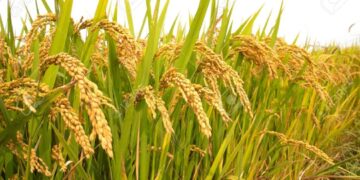
Urea, the largest component of the stockpile, plays a crucial role in enhancing crop growth, particularly by promoting leaf and stem development. As one of the most widely used nitrogenous fertilizers, urea is indispensable in ensuring high crop productivity, especially in cereal crops. Diammonium phosphate (DAP) is also an essential fertilizer, with a stock of 29,522 metric tons. DAP supports root development and the formation of flowers and fruits, making it vital for crops that need a high amount of phosphorus. This includes cereals, vegetables, and legumes. Additionally, potash, which amounts to 6,967 metric tons, is important for improving root health, boosting resistance to diseases, and increasing the overall yield of crops like potatoes and tomatoes.
The release of this data comes amid concerns about the stability of fertilizer supplies, particularly during critical planting seasons. Fertilizers are a fundamental input for Nepal’s largely agrarian economy, and shortages could significantly harm agricultural productivity, potentially leading to food insecurity. In this context, the Ministry’s announcement is reassuring, confirming that the government is taking proactive measures to maintain adequate supplies of these essential resources.
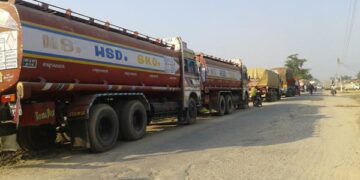
The task of importing chemical fertilizers into Nepal is handled by two key state-owned entities: the Agricultural Inputs Company Limited (AICL) and the Salt Trading Corporation Limited (STCL). AICL is responsible for the bulk of fertilizer imports, ensuring that farmers across Nepal have access to fertilizers in time for the planting seasons. STCL also plays a role in maintaining the fertilizer supply chain, helping to distribute these critical resources to various regions, especially in more remote areas where access to fertilizers can be more difficult.
The Ministry’s assurance regarding the current stockpile reflects the government’s commitment to stabilizing fertilizer supplies in response to past shortages that have affected agricultural output. In recent years, fluctuations in global fertilizer prices and supply chain disruptions have raised concerns, but the government’s efforts to establish reliable import channels and long-term supply contracts are aimed at avoiding such challenges in the future. These measures are crucial not only for maintaining the current agricultural cycle but also for ensuring sustainable food security in the long term, as Nepal’s growing population continues to place increasing demands on its agricultural sector.
Ultimately, while Nepal currently has a significant stockpile of fertilizers, ongoing efforts to monitor, import, and distribute fertilizers effectively will be key to supporting the country’s agricultural productivity and food security in the years to come.