

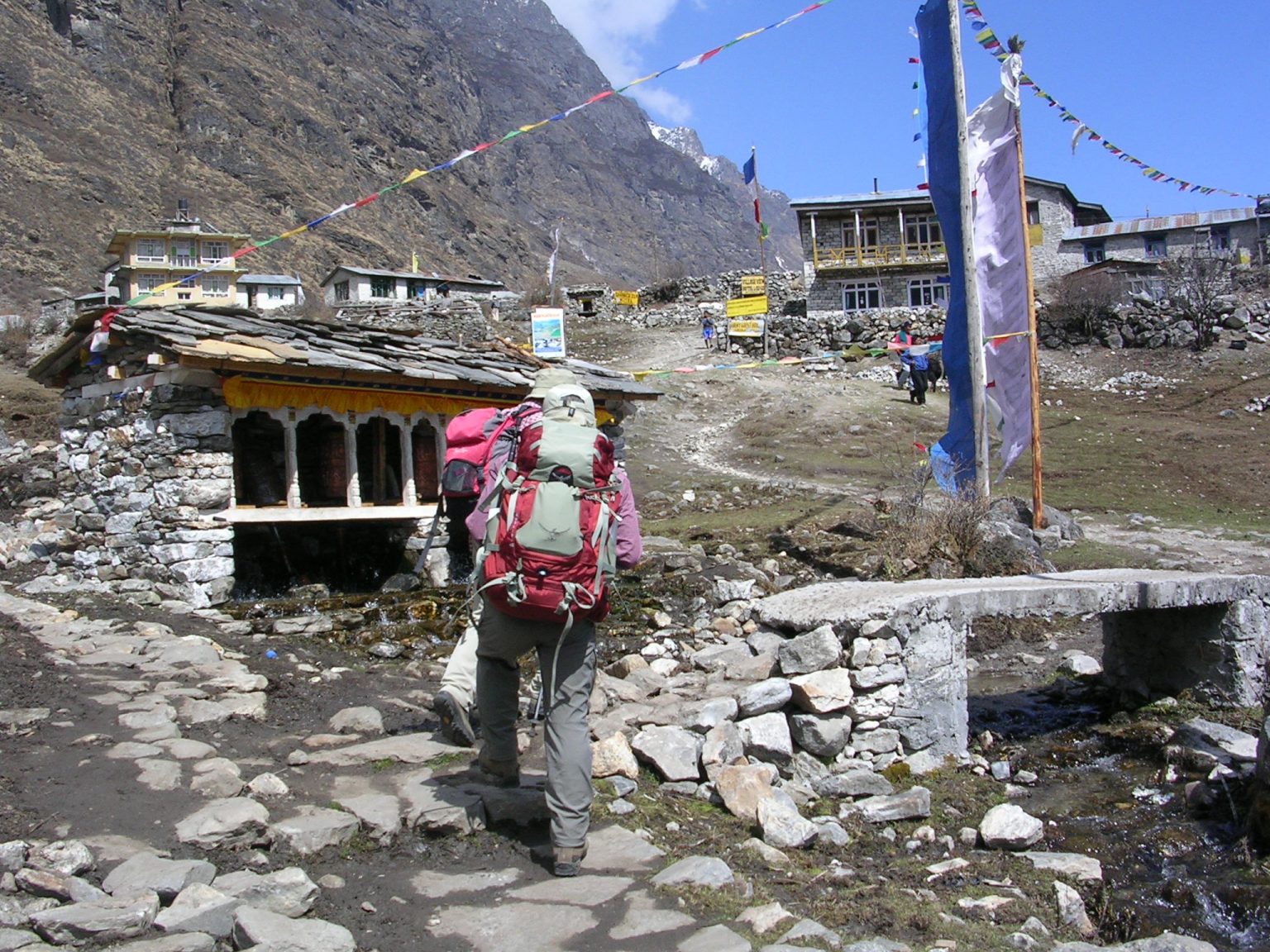
Kathmandu — Nepal welcomed more than 1.209 million foreign tourists in fiscal year (FY) 2025/26, marking a 4.8 percent increase compared to the previous year, according to the Nepal Tourism Board (NTB). Despite the encouraging growth in arrivals, the country continues to grapple with declining tourist spending, highlighting a key challenge for the tourism sector.

NTB data show that 1,209,357 foreign visitors arrived in Nepal during the fiscal year, an increase of 56,285 tourists over FY 2024/25. India remained Nepal’s largest source market, contributing 311,531 visitors, accounting for 25.76 percent of total international arrivals.
The United States ranked second with 111,325 visitors, followed closely by China (109,892). Other major source markets included Bangladesh (58,163), the United Kingdom (56,649), Australia (53,195), Sri Lanka (43,211), Bhutan (36,289), Myanmar (30,737), Germany (29,296), Thailand (27,201), Japan (25,762) and Malaysia (25,640).
Tourist arrivals peaked during the autumn travel season, with 124,829 visitors arriving between mid-October and mid-November. Another strong influx was recorded between mid-March and mid-April, when 119,390 tourists entered the country.
The NTB attributed the growth to intensified international marketing campaigns, cross-border tourism promotion and improved connectivity. During the fiscal year, the board organized more than 12 promotional programs in major Indian cities and over 40 international tourism promotion events across key global markets.
Looking ahead, the government has declared 2027 as Nepal Wellness Year, aiming to position the country as a leading destination for wellness and health tourism. The NTB plans targeted promotional campaigns in China, the United States, Australia and Bangladesh to attract high-value visitors.
Acting NTB Chief Executive Hikmat Singh Airee said Nepal’s tourism recovery has been supported by stronger international promotion, expanding air connectivity and close collaboration with the private sector. He also emphasized China’s enormous potential, noting that greater business-to-business (B2B) engagement could significantly increase tourist arrivals.
However, tourism experts remain concerned about falling visitor expenditure. Government data show that although the average length of stay reached a record 16.34 days in 2025, average daily spending dropped to just $33.09, down from $40.80 in 2024 and far below the regional average of $100–150 per day. The figure is the second-lowest on record, continuing a long-term downward trend since daily spending peaked at $79.10 in 2003.
While rising tourist arrivals signal a positive recovery for Nepal’s tourism industry, increasing visitor spending and attracting higher-value tourists remain critical priorities for sustaining long-term growth and maximizing the sector’s contribution to the national economy.