Kathmandu: The Industry, Commerce, Labour and Consumer Welfare Committee under the House of Representatives has directed the government to take immediate measures to curb black marketing and artificial shortages of liquefied petroleum (LP) gas while exploring a long-term solution through a pipeline-based distribution system.

During a committee meeting held at Singha Durbar on Wednesday, Committee President Rahabar Ansari instructed the Ministry of Industry, Commerce and Supplies to conduct a comprehensive study on the feasibility and potential impact of expanding an LP gas pipeline network and submit its findings to the committee within one week.
According to the committee, the proposed study should examine whether a pipeline distribution system could provide a more reliable, efficient, and sustainable supply of cooking gas while reducing dependence on the existing cylinder-based distribution network.
The directive comes amid recurring complaints of artificial shortages, black marketing, and supply disruptions that have affected consumers despite adequate overall availability of LP gas in the country.
The committee also instructed the ministry to strengthen market monitoring and ensure stricter enforcement against businesses involved in hoarding or manipulating supplies to create artificial scarcity.
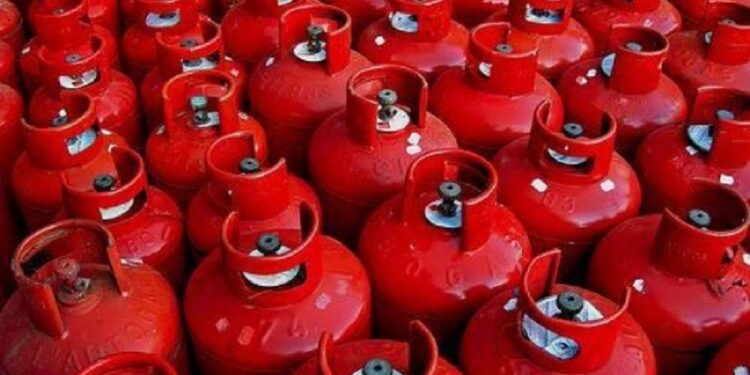
In addition, lawmakers emphasized the need to enhance consumer safety by conducting regular inspections of gas cylinders circulating in the market.
The committee directed the Nepal LP Gas Industry Association, Nepal Oil Corporation (NOC), and the ministry to jointly carry out systematic monitoring of gas cylinders, particularly older cylinders that may pose safety risks to households.
Regular inspection and timely replacement of outdated cylinders are expected to minimize accidents caused by leakage, corrosion, or poor maintenance, while improving consumer confidence in the country’s cooking gas distribution system.
The parliamentary directive reflects growing concern over recurring supply management issues in Nepal’s LP gas market, where consumers have periodically faced shortages despite stable imports. Lawmakers believe stronger regulatory oversight, improved market monitoring, and the exploration of modern distribution infrastructure such as pipeline systems could help ensure a safer, more reliable, and uninterrupted supply of cooking gas across the country.