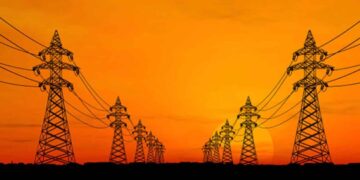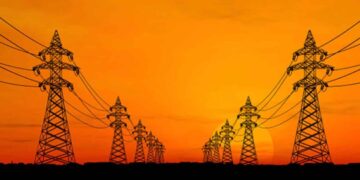

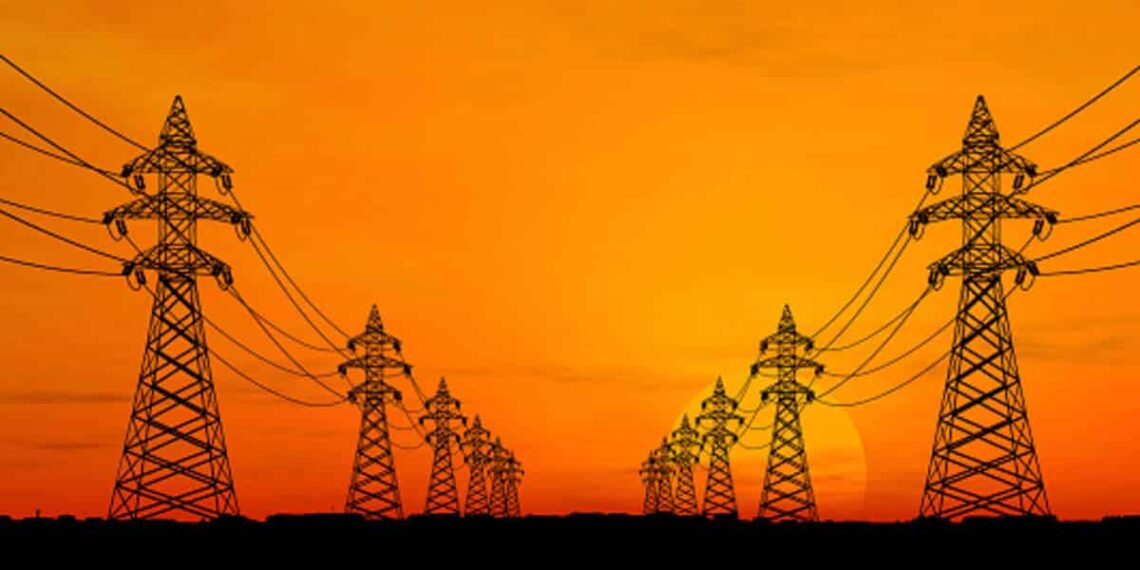
Electricity has officially begun flowing through the 220 kV Markichok–Bharatpur transmission line, a major milestone expected to enhance the reliability of Nepal’s electricity supply and improve the transmission of hydropower generated in the Marsyangdi corridor.

According to the Ministry of Energy, Water Resources and Irrigation (MoEWRI), power transmission through the new line commenced at 3:00 pm on Saturday following efforts led by Energy Minister Biraj Bhakta Shrestha, who visited the project site and held discussions with local representatives and residents to facilitate the project’s operation.
The ministry said the commissioning of the transmission line will significantly improve the stability of electricity supply in Chitwan, Hetauda, Butwal, and Kohalpur, while strengthening the regional transmission network. The new infrastructure is expected to reduce frequent power tripping, voltage fluctuations, and outages experienced in these areas.
Minister Shrestha stated that the transmission line will also enable electricity generated by private-sector hydropower projects, particularly during the monsoon season when river flows are at their peak, to be evacuated more efficiently through the Bharatpur Substation into the national grid.
He noted that the new infrastructure will gradually eliminate the need for hydropower projects to operate below their installed capacity due to transmission bottlenecks, allowing greater utilization of Nepal’s growing electricity production.
The ministry described the project as a successful example of public-private cooperation, highlighting its role in integrating previously underutilized clean energy into the national transmission system and supporting Nepal’s long-term energy security and electricity export ambitions.
The newly operational infrastructure consists of a 220 kV double-circuit transmission line connecting the New Marsyangdi Substation at Markichok in Tanahun with the New Bharatpur Substation at Aaptari in Chitwan. The line is expected to play a crucial role in evacuating electricity from hydropower projects along the Marsyangdi, Dordi, and Trishuli river corridors, ensuring more reliable power distribution across the country while reducing energy losses.