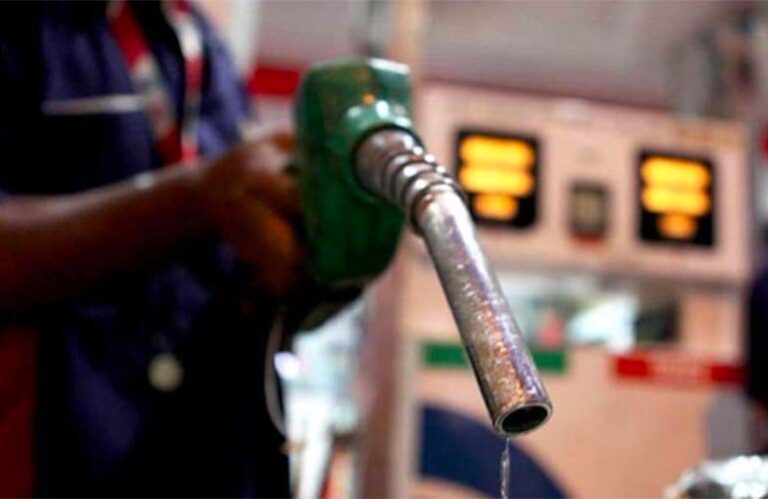
The government has approved the blending of 10 percent ethanol in petrol to reduce fuel imports and promote environmentally friendly energy use.

With the Cabinet’s endorsement of the “Order on Using Ethanol-Blended Petrol, 2082 BS,” the Nepal Oil Corporation (NOC) is now authorized to mix ethanol into petrol and distribute it commercially.
Although Nepal planned ethanol blending more than two decades ago, it had not been implemented until now. Once blending begins, petrol imports are expected to fall by nearly seven million liters annually.
NOC Managing Director Dr. Chandika Prasad Bhatta said the corporation will now move ahead with the ethanol blending process. After receiving the Cabinet-approved procedures, NOC will develop a framework for ethanol production and procurement. “We now have a legal foundation to produce ethanol domestically and blend it with petrol,” he said, adding that this will help reduce imports.
Bhatta said ethanol use will also benefit the environment. Quality standards must still be finalized, and ethanol cannot be imported from abroad. He added that domestic production will also create employment opportunities.
While Nepal imports fuel from India, India has already been selling ethanol-blended petrol for years. Ethanol blending could reduce Nepal’s annual petrol import bill by approximately Rs 6.25 billion.
Ethanol is a combustible fuel that reduces emissions and pollution. Since it is produced from agricultural products such as sugarcane, straw, and dried grasses, Bhatta emphasized that encouraging ethanol production will also support farmers and provide them with additional income.
Once quality ethanol becomes available, NOC plans to blend 10 percent ethanol directly into petrol stored at its depots. Studies by NOC indicate that ethanol blending could cut daily petrol consumption by about 400,000 liters.
Nepal’s current annual petrol consumption is around 730 million liters. With a 10 percent ethanol blend, imports could fall by 73 million liters, saving nearly Rs 6.2 billion at current import prices from the Indian Oil Corporation.
The government announced ethanol blending in the 2025/26 national budget to reduce imports and control pollution. While Nepal has approved a 10 percent blend, India aims to reach 30 percent ethanol blending by 2030 and already sells petrol containing 12–20 percent ethanol.
Energy sector stakeholders note that alongside promoting electric vehicles, Nepal should also give adequate attention to ethanol use. They stress that ethanol blending is feasible but must prioritize consumer safety and environmental protection.