

Nepal’s economy is projected to expand by around 4 percent, with gradual improvements observed across production, services, and consumption sectors, according to the National Statistics Office (NSO).

NSO Spokesperson Dhundi Raj Lamichhane stated that the recovery in agriculture, construction, tourism, and financial sectors is expected to support overall growth. He noted that quarterly national accounts data show positive economic activity compared to last year by the end of the second quarter, indicating a gradual recovery driven by stronger domestic demand and service sector performance.
All 18 industrial categories are expected to record positive growth. Preliminary estimates suggest the highest growth of 22.74 percent in agriculture and gas-related activities. Transport and storage are projected to grow by 12.51 percent, accommodation and food services by 9.65 percent, wholesale and retail trade by 5.18 percent, and other service sectors by 4.11 percent.
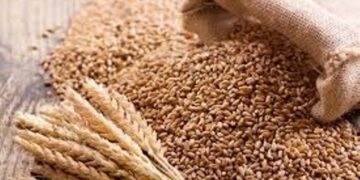
The agriculture sector is likely to remain a key driver of the economy, supported by favorable weather, improved availability of fertilizers and seeds, and government subsidies. Increased production of major crops such as paddy, maize, and wheat has helped sustain rural economic activity, forming a strong base for GDP growth.
The industrial and construction sectors show mixed performance. While construction has remained sluggish in recent years, increased government capital spending and progress in large infrastructure projects are expected to boost activity. However, weak private sector investment continues to limit overall industrial growth.
The service sector has emerged as a major contributor to economic expansion. Improvements in tourism have supported growth in hotels, restaurants, and transport services. Additionally, banking, financial services, information technology, and trade have all contributed to economic momentum.
Consumer spending has also improved gradually, supported by lower inflation and steady remittance inflows, which have increased purchasing power. Rising consumption, particularly in urban areas, has further driven growth in services and trade.
Remittances continue to play a crucial role in the economy. Increased inflows from Nepali workers abroad have strengthened foreign exchange reserves, helping maintain external sector stability. These reserves are sufficient to support imports and stabilize the exchange rate.
According to Nepal Rastra Bank (NRB), year-on-year inflation stood at 3.62 percent as of mid-March, with average inflation declining to 2.13 percent. Remittance inflows increased by 37.7 percent in the first eight months, exceeding Rs 188 billion, while foreign exchange reserves reached approximately Rs 3.413 trillion—enough to cover imports for 18.5 months.
Government expenditure has reached Rs 926.59 billion, while revenue collection stands at Rs 747.28 billion, posing challenges for fiscal management.
Despite these positive trends, challenges remain, including weak private investment, low credit demand in the banking sector, and underutilized industrial capacity. External risks such as global market fluctuations, fuel price volatility, and geopolitical tensions could also affect the economy.
The government has introduced policies to boost capital expenditure, create an investment-friendly environment, and support production-oriented sectors. Efforts to improve budget implementation, accelerate infrastructure development, and promote agriculture and industry are expected to strengthen growth in the coming months.
NRB has also taken steps to ease credit flow through monetary policy. Declining interest rates and improved liquidity in banks indicate a more favorable investment climate, which could help revive private sector activity.
However, experts emphasize that sustaining higher economic growth will require long-term strategies focused on increasing production, encouraging investment, and creating jobs. Structural reforms, good governance, and policy stability will be essential for achieving stronger growth in the future.