
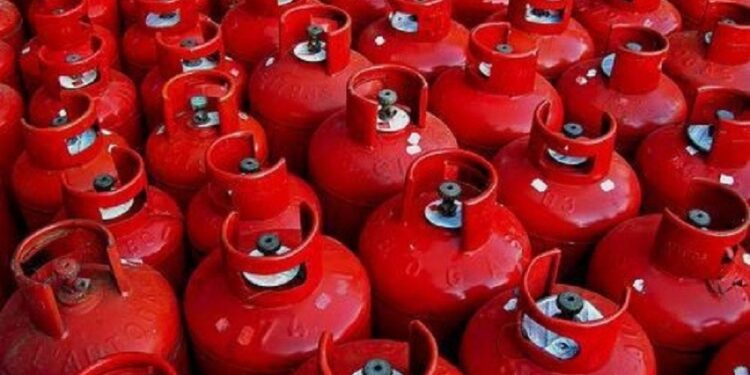
Cooking gas bottlers have increased the price of liquefied petroleum gas (LPG) by Rs 105.38 per cylinder in the Kathmandu Valley, citing higher transportation costs after being forced to bring cylinders filled at bottling plants outside the Valley.

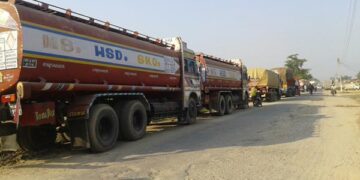
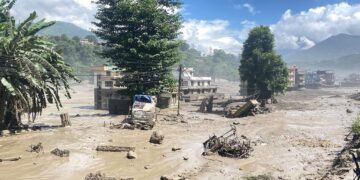
The price hike follows the collapse of the road at Krishnabhir along the Prithvi Highway, which disrupted the regular supply route for LPG to Kathmandu. To address the potential shortage of cooking gas, the Nepal Oil Corporation (NOC) allowed bottling industries to transport pre-filled LPG cylinders into the Valley from plants located outside Kathmandu.
The Nepal LP Gas Industry Association (NLPGIA) decided to pass part of the additional transportation cost on to consumers. According to former NLPGIA President Shiva Ghimire, the increase was unavoidable due to the sharp rise in transportation expenses along alternative routes.
Gas entrepreneurs said the longer and more difficult alternative routes have significantly increased transportation costs. According to Ghimire, the additional transportation expense has reached Rs 180.80 per cylinder, although only Rs 105.38 has been added to the consumer price.
However, the decision has raised concerns that LPG bottlers may be taking advantage of the crisis. The NOC reportedly allows LPG industries to determine transportation charges for distances exceeding 50 kilometres, a provision that entrepreneurs have cited to justify the increase.
The Kathmandu Valley normally consumes around 40,000 LPG cylinders per day, according to the NLPGIA. However, demand has surged to as many as 100,000 cylinders daily following the Bhotekoshi floods and disruptions to transportation networks.
Nepal has 58 LPG bottling industries, with approximately 40 percent of the country’s total LPG supply consumed in the Kathmandu Valley.